
Meta Connect 2025 kicked off this Wednesday at 5:00 PM local time (2:00 AM CET), and the expectations going into the event were high. Smart glasses, wearable integrations, and metaverse advancements dominated the conversation leading up to Zuckerberg’s keynote—and this year, Meta delivered more than just concepts. It presented finished products and detailed plans aimed at making AI wearables a mainstream reality.
Smart Glasses Were the Headliners — And Then Some
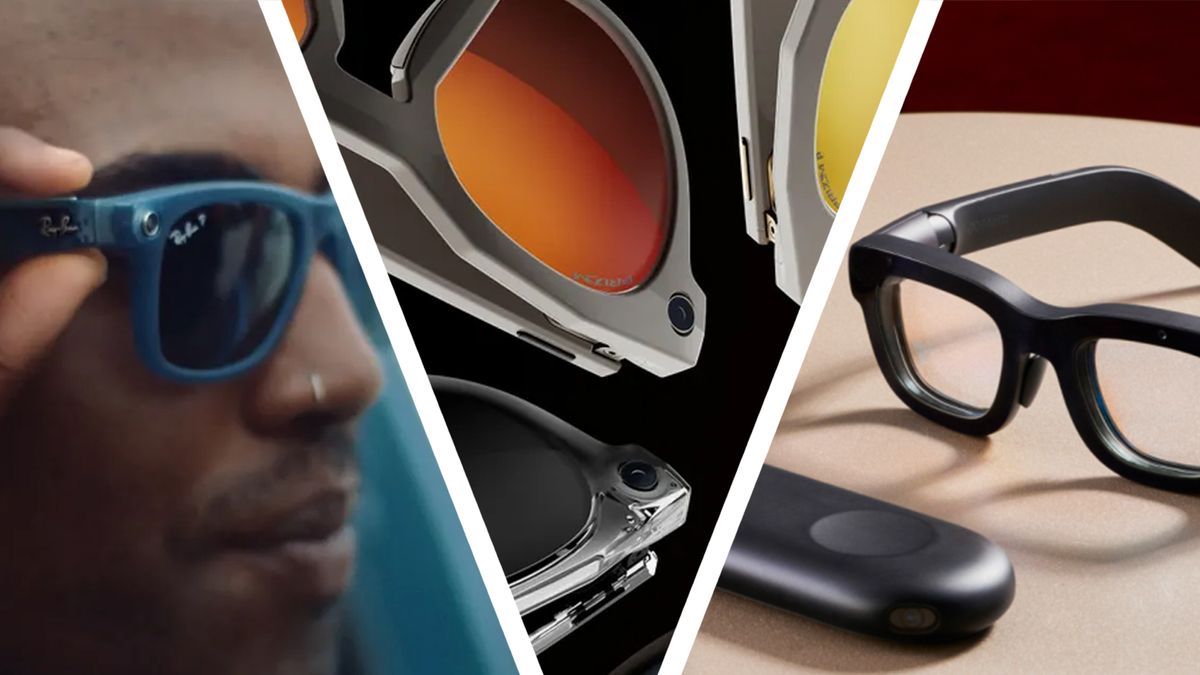
Meta’s third-generation smart glasses took center stage, with three new models targeting different use cases.
- Ray-Ban Meta (Gen 3): Lighter, more ergonomic, with double the battery life of previous models. A new 3K camera, and a Conversation Focus mode to isolate voices in loud environments. $379.
- Oakley Meta Vanguard: Designed for endurance athletes. Features a 122° stabilized wide-angle camera, IP67 water resistance, battery life for two marathons, and direct pairing with Garmin and Strava. $499. Ships October 21.
- Ray-Ban Display (Codename “Celeste”): The biggest reveal. First AI glasses with a high-resolution built-in display (42 PPD, 5000 nits). Controlled by a neural input band that reads facial muscle movements, enabling silent commands and “micro messaging.” $799. Launching September 30.
Each model shows a different direction, but together they mark Meta’s push to turn AI glasses into a viable category with real-world utility.
AI Gets Smarter — And More Involved
Zuckerberg also introduced a major update to Meta AI. Now “agentic,” it doesn’t just wait for commands. It can follow conversations, manage reminders, and support multitasking—blurring the lines between virtual assistant and wearable interface. With deeper integration into the new glasses, Meta AI becomes less of a voice bot and more of a real-time companion.
A New Engine for the Metaverse
Meta announced Meta Horizon Engine, replacing its reliance on Unity. The new engine promises:
- 4x faster load times
- Persistent shared environments
- More simultaneous users
- Better graphics and realism
On top of that, developers get Meta Horizon Studio, a suite of AI-driven tools to generate textures, 3D objects, sound environments, and lighting setups. The new Hyperscape Capture tool also allows real-world environments to be scanned and turned into VR spaces. These upgrades aren’t just visual. They make it possible for creators to build immersive, shared spaces that feel continuous and responsive—key to any viable metaverse concept.
Expands Meta’s Entertainment Ambitions
Entertainment got a dedicated push with the launch of Horizon TV, a VR hub for films, sports, and live events. Supported platforms include:
- Disney+
- Hulu
- ESPN
- Universal Pictures
- Blumhouse
Content plays in high fidelity with Dolby Atmos and Dolby Vision support. The big surprise? James Cameron presented exclusive 3D footage from Avatar: Fire & Ash, ahead of its December 19 release.
Smartwatch Still Absent — For Now
Although many expected a smartwatch comeback, there was no formal launch. Zuckerberg briefly referenced wearable integrations still in development. The omission suggests Meta’s smartwatch project is either being reworked or held for a future release—but it hasn’t been abandoned.
What Meta Connect 2025 Reveals About the Company’s Future
This year’s event shifted the focus from speculation to deliverables. Three AI glasses models are shipping this year. A new engine for virtual environments is live. Entertainment and productivity are no longer theoretical—they’re being deployed. Meta Connect 2025 wasn’t just about announcing features. It was about making Meta’s platform real and accessible. The goal: position AI-powered wearables not as experiments, but as the next logical step in everyday tech. Zuckerberg’s message is clear. The future won’t be shaped by waiting for the next smartphone. It’s already moving toward devices that are hands-free, context-aware, and seamlessly integrated with how we live and work. After Connect 2025, that future is no longer distant. It’s taking shape now.