
A Surprise Entry at the Top
The world of AI-driven image editing just witnessed an unexpected shake-up. A new model with the quirky name “Nano Banana” has climbed straight to the top of LMArena’s rankings, the platform that evaluates large language models. On August 26, Google confirmed that this cutting-edge system, officially known as Gemini 2.5 Flash Image, was born in DeepMind’s labs and is now integrated into the Gemini app.
What Makes Nano Banana Different?
AI image editing has been around for a while, but consistency has always been the Achilles’ heel of most generative systems. Prompts often lead to unpredictable results, forcing users to try multiple times to get what they want. Google claims Nano Banana breaks that cycle. Unlike its predecessors, this model doesn’t just follow instructions—it remembers details from the original image with striking reliability. Whether adjusting a character’s outfit or tweaking subtle design elements, the results no longer feel like a lottery. This makes it a serious contender against traditional tools like Photoshop, but with a fraction of the effort.
Creativity Unleashed
The potential use cases of Nano Banana go far beyond simple edits. For example, Google demonstrated how the model can reimagine clothing styles, placing a person in an outfit that looks like it came straight from a 90s sitcom or even a bullfighting arena. The subject remains recognizable, while the AI seamlessly adapts the surrounding context. Another standout feature is image merging. By blending two separate photos—say, a woman and her dog—the model generates a new scene, like the pet being cuddled, with impressive realism. This ability to combine images opens the door to storytelling, artistic experimentation, and playful creativity that wasn’t possible with earlier tools. For those who want to push boundaries, Nano Banana also supports abstract creations, giving users freedom to generate imaginative scenarios, provided they stay within the model’s safety guidelines.
Built-In Transparency
As with other Google AI tools, every output from Nano Banana includes visible and invisible indicators. A small “AI” watermark appears in one corner of each image, while SynthID, a hidden digital watermark, ensures traceability even if the picture undergoes light editing. This feature reflects Google’s ongoing effort to keep generative AI content transparent and responsible.
How to Access It
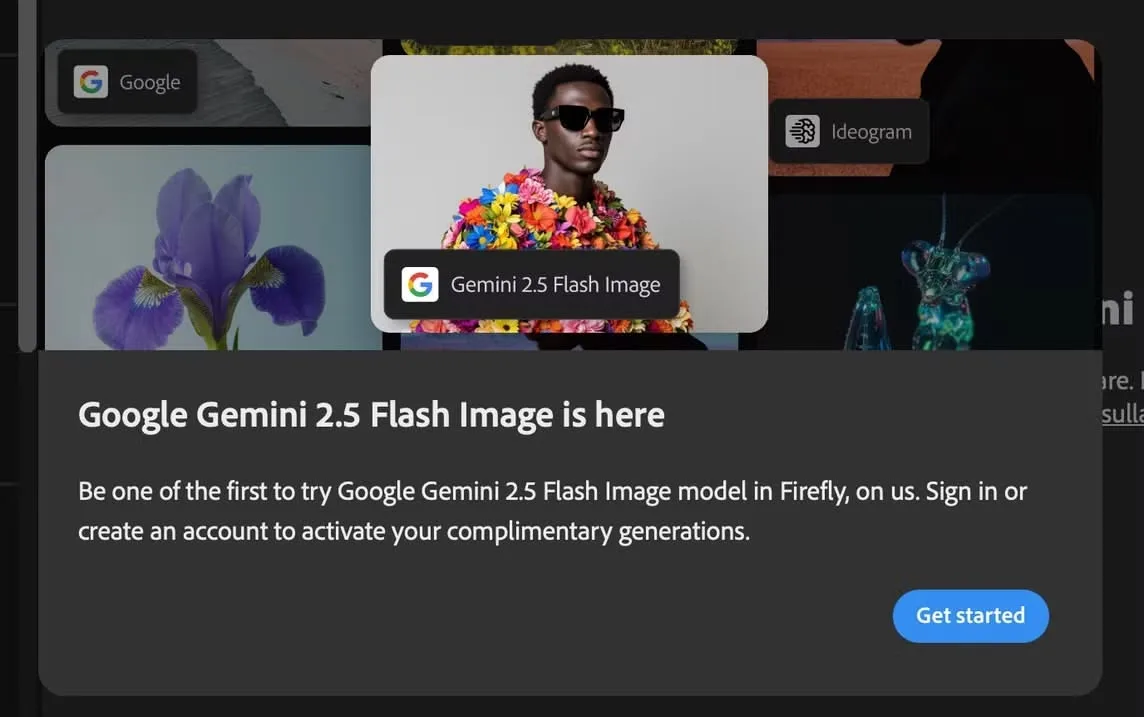
Curious creators don’t have to wait long. Nano Banana is already available through the Gemini app, making it easy to experiment with right away. For developers, the rollout is expanding soon: the model will also appear in the Gemini API, AI Studio, and Vertex AI, unlocking new possibilities for building applications powered by this technology.
Why It Matters
In a crowded field of generative AI tools, Nano Banana distinguishes itself by offering consistency, flexibility, and transparency. From casual users wanting fun photo edits to developers looking to integrate advanced image manipulation into their apps, this model signals an exciting new direction for AI creativity. The whimsical name might raise eyebrows, but the impact of Nano Banana is serious—it represents one of the most practical leaps in AI-assisted editing to date.