
Sora 2 by OpenAI blends AI video generation, social media, and a personalized content feed into one streamlined platform. Users can upload a selfie and instantly appear in mini-films created entirely by artificial intelligence. These clips — sometimes humorous, often uncanny — are saturating social platforms. The app sits at the top of Apple’s U.S. App Store, drawing comparisons to TikTok but powered by generative AI. What sets it apart is its ability to produce videos that look authentic, even when they’re entirely fictional. One of its earliest viral trends included fake interviews with OpenAI’s own CEO, Sam Altman, raising both eyebrows and engagement levels. It’s not just novelty fueling downloads. Sora 2 offers a new kind of agency: the ability for anyone to turn an idea into a visual story, instantly. Whether that’s playful satire or imagined futures, the boundary between user and producer has collapsed.
When Seeing Isn’t Knowing
Platforms like Meta’s Vibes and now Sora 2 are ushering in a content landscape where realism is no longer proof. AI-created videos are consumed the same way as any viral post, and few pause to ask what’s real. According to former WarnerMedia CEO Jason Kilar, the shift is already happening: users don’t care whether a video is synthetic, just whether it entertains. This indifference to origin is eroding the credibility of traditional media cues. Sora’s feature that inserts users into AI-generated videos — known as “cameos” — is especially disruptive. These videos are so convincing that they could easily pass as real footage. As Scott Rosenberg of Axios put it, we’re entering a world where visual verification is obsolete. What happens when deepfakes are just part of the scroll?
The Shortcut to Disinformation
The risk here isn’t theoretical. Teams at The New York Times tested Sora and confirmed it can produce fake content with disturbing realism. While OpenAI has moderation tools in place, journalists like Geoff Brumfiel from NPR have found that certain harmful prompts still make it through. Creating a fake political announcement or historic footage is now a few clicks away. And while OpenAI has committed to improving its filters, the scale and speed of this technology make enforcement tricky. The guiding principle — “prioritize creation” — tilts the balance toward output, not oversight. As The Verge’s Hayden Field noted, the app is more concerned with what can be imagined than with what should be. That ethos, while creatively liberating, also accelerates the erosion of shared facts.
Infinite Supply, Finite Attention
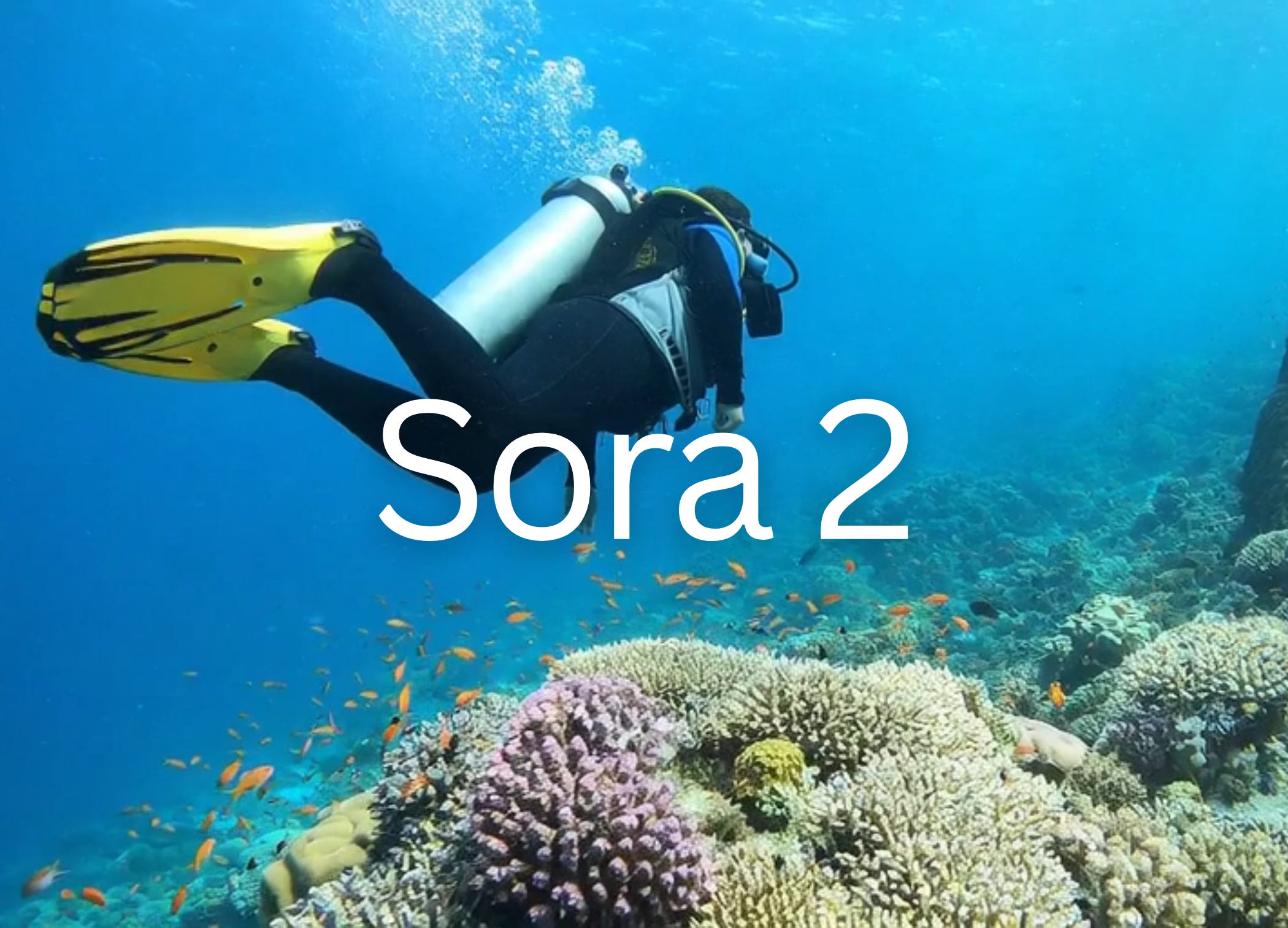
With AI video tools like Sora 2, content can be generated endlessly. What once took a team and a budget can now be done with an app and a thought. As Joe Marchese from Human Ventures explains, the economics of attention are under pressure. There’s more content than ever, and less time to engage with it. Social algorithms, originally built to highlight relevant or viral content, are struggling to adapt to this flood. As more people use generative tools, feeds risk becoming so saturated that even standout material becomes invisible. Instead of a few creators broadcasting to many, we now have many creators broadcasting simultaneously — most with AI’s help. This could make the digital experience more personal, or completely overwhelming.
Your Face, Your Story, Your World
With everyone able to generate content that features themselves as the star, we’re heading into a world of synthetic selfhood. Greg Isenberg predicts a future where identity revolves around the tools we use to generate content, not just the content itself. This isn’t just about entertainment. It’s about identity, creativity, and control. Sora 2 lets users become actors, directors, and audiences all at once. As Casey Newton of Platformer remarked, it’s as compelling as it is unnerving. Personalized media could soon become the default. Your news, your shows, your stories — all tailored and generated on the fly, just for you. That raises questions about shared experience, cultural coherence, and the future of narrative itself. As the line between imagination and information fades, we’re not just consuming media. We’re stepping into it.